
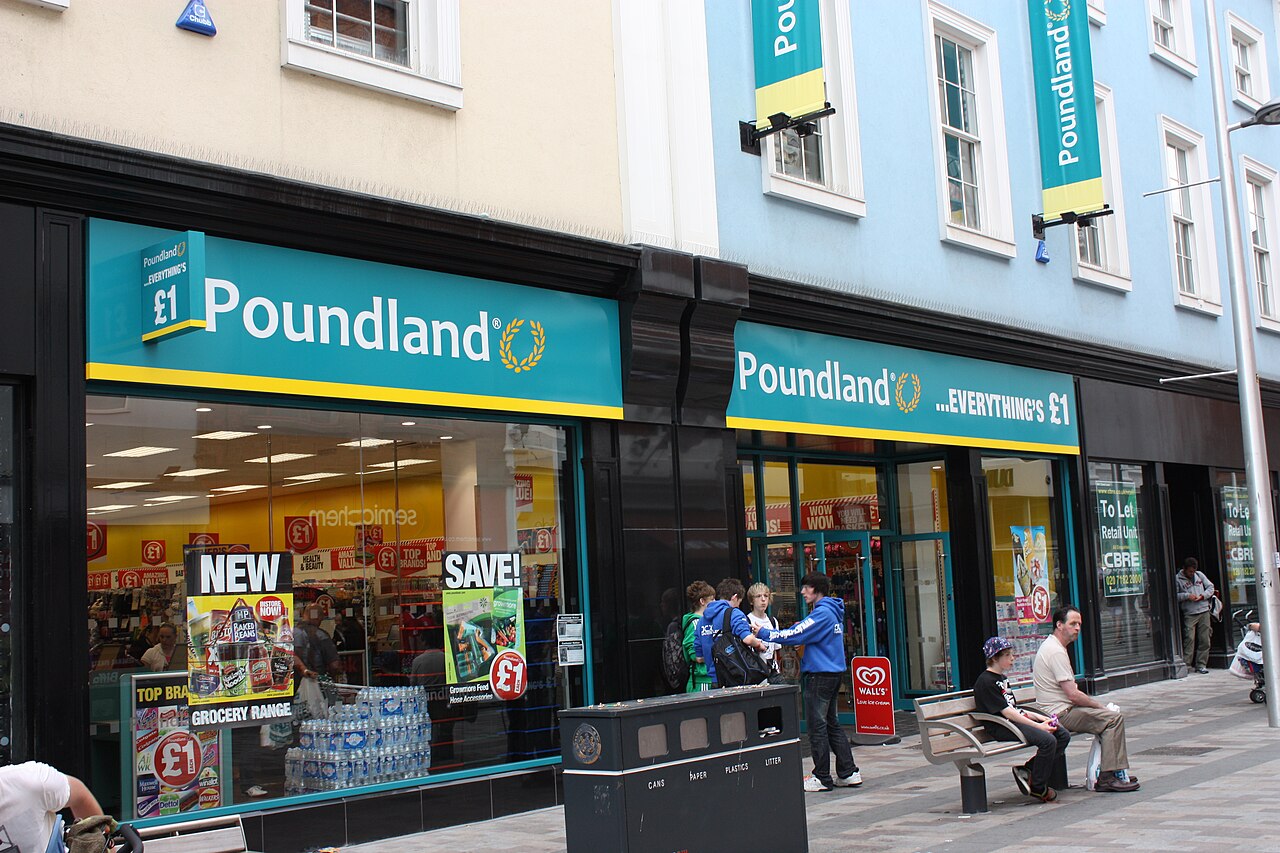
Gordon Brothers paid £1 for Poundland. Seventeen months later, its insistence that a buyer pay most of a £22.5m debt it picked up for nothing has helped stall a sale of the discount chain. Thousands of workers are waiting to hear whether they’ll keep their jobs. Gordon Brothers can still get paid if the administrators sell Poundland shop by shop.
The US firm acquired its £22.5m share of an existing £30m loan when it bought Poundland from Pepco. The administrators now running the chain have to pay that claim ahead of many others out of whatever a sale brings in. Martin Property Group offered £5m up front and the balance later. Xyra Holdings offered £12.5m up front, though people close to the talks doubted it could produce the money. Gordon Brothers says none of the bidders could meet its terms and show they had the money and expertise to run the shops.
Poundland’s managers say sales had started to pick up, but Gordon Brothers restricted their access to the chain’s own cash. They couldn’t fully restock for Christmas, just when they expected to do their briskest trade. A manager ordering Christmas stock expects to bring the money back through the tills with a profit. A creditor facing a possible break-up has good reason to prefer cash in the bank to goods it might later have to sell off cheap. At Poundland the creditor owned the chain.
Gordon Brothers says Poundland still couldn’t bring in enough cash to pay its way. It expected sales to come in £115m below the forecast it made at the takeover. Poundland had embarked on a £100m programme of cuts and faced higher wage bills, employment taxes and business rates. Gordon Brothers says its £85m loan kept Poundland from going under when Pepco sold it, giving thousands of workers another 17 months in a job.
Over those months Gordon Brothers took nearly £20m out of Poundland. Most of it, the firm says, was interest on that new lending. Marx distinguished between the capitalist who puts money into trade and the lender who charges for its use. Gordon Brothers did both. To make a profit selling discount goods, it needed workers to unload deliveries, fill the shelves and bring in more at the tills than it cost to buy the stock and run the shops. As a lender it could collect interest even in months when the shops made a loss. For every month Gordon Brothers says it kept those workers in a job, they kept its borrower in business.
MPs on the Business Committee accused Gordon Brothers of “predatory capitalism” and “asset stripping”. But capitalists always invest where they believe they can make money. Their agenda is profit making, not providing jobs or services, so when they see an opportunity to make a profit from a distressed firm, they take it.
That’s why communists fight for the working class to own the factories, warehouses and shops in common. The people who already make and distribute the goods could then plan that work around what the population needs. Nobody will be thrown out of work to face poverty at the whims of business owners or the market.
Image credit: Ardfern under the Creative Commons Attribution-Share Alike 3.0 Unported license.