
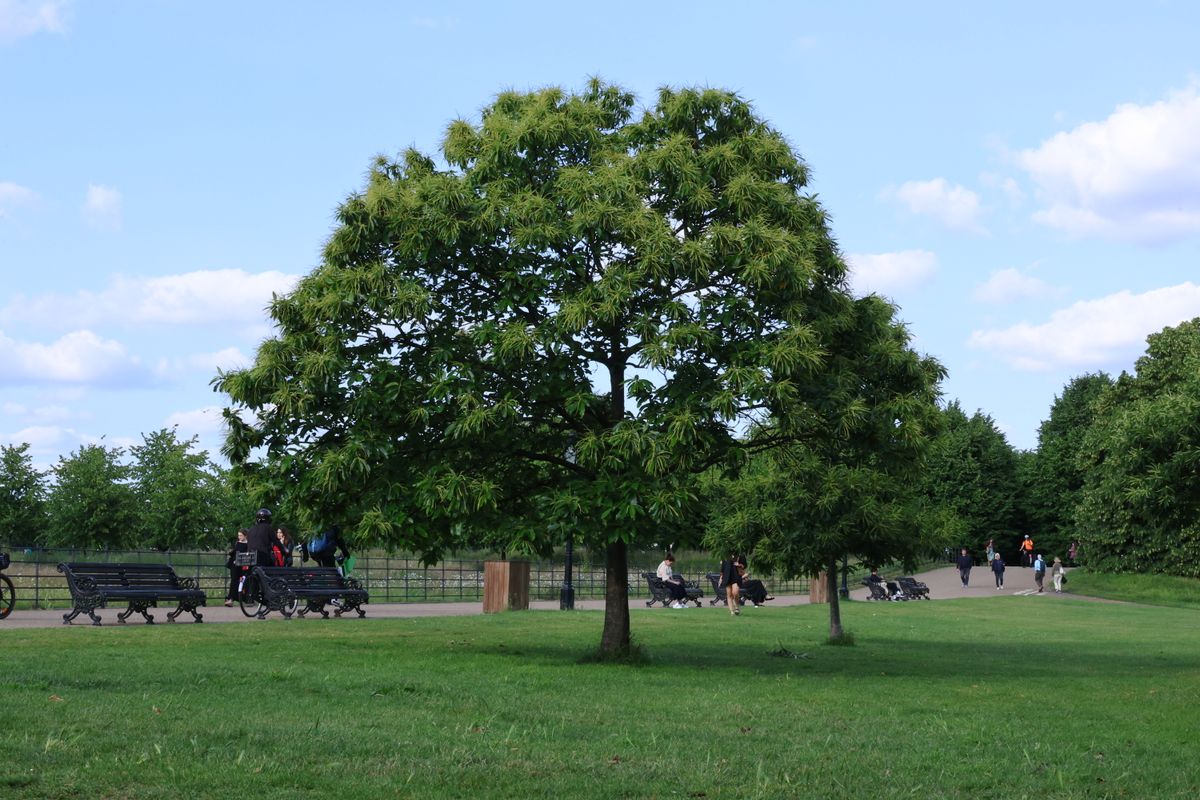
Gardeners responsible for maintaining some of London’s best-known parks are set to strike in a fight over pay.
The workers, employed by subcontractor Idverde, voted by 95 per cent in favour of strike action on a 75 per cent turnout, according to the GMB union. They maintain Hyde Park, Kensington Gardens and St James’s Park on behalf of The Royal Parks, the charity managing the sites.
Idverde has offered skilled gardeners and team leaders a pay rise of just 70p an hour. The workers currently receive only 55p an hour above the London living wage.
The GMB has rightly described the offer as an insult. The London living wage is supposed to represent the minimum needed to get by in one of the world’s most expensive cities. Idverde is treating it as a ceiling, keeping skilled and experienced workers as close to the minimum as it can.
Anna Lee, GMB’s regional organiser, said: “Our members create and maintain these amazing spaces and to be offered 70p is just an insult. They are skilled, experienced professionals and they know what their labour is worth.
“We’re calling on Idverde to get back round the table and offer our members a fair pay deal.”
The class issue couldn’t be clearer. London’s royal parks form part of the polished public face of Britain’s imperial capital. Millions enjoy their lawns, gardens and carefully maintained landscapes. But the royal name, charitable status and official prestige conceal the labour that makes those spaces possible.
The parks don’t maintain themselves. Their appearance is the product of skilled human labour carried out in all weather by workers whose employer wants to purchase that labour as cheaply as possible, and keep the difference between that and its income as profit.
Under capitalism, wages aren’t a reward for the full value workers create. They’re the price employers pay to keep labour power available while retaining control over the product of that labour.
Subcontracting helps conceal this relationship. The Royal Parks receives the benefit of a maintained workforce while Idverde formally employs the gardeners and controls their pay. Responsibility is divided on paper even though the work itself remains indispensable.
A spokesman for The Royal Parks said: “Idverde and its workforce make a valued and important contribution to the day-to-day management of the parks, helping to ensure that they remain high-quality, welcoming and well-maintained spaces for the millions of people who visit them each year.
“The terms and conditions of employment are a matter for Idverde as the employer. The Royal Parks is not party to those employment arrangements.
“We recognise that this is a matter of concern for those involved and hope that a constructive resolution can be reached through ongoing discussions between Idverde and its employees.”
This is the familiar language of subcontracting: praise the workers, enjoy the results of their labour and then deny responsibility for the conditions under which they work. The workers are “valued and important” when there are gardens to maintain, but their wages suddenly become somebody else’s business.
Calls for a “constructive resolution” also blur the real conflict. Idverde wants to contain its labour costs. The gardeners want pay that reflects their skill and allows them to live. These interests aren’t reconciled by polite words. The outcome depends on the balance of class forces.
By voting overwhelmingly to strike, the gardeners have chosen the power workers possess collectively: the ability to withdraw their labour. The immaculate face of the Royal Parks rests on that labour, and a 95 per cent strike mandate makes it much harder to pretend otherwise.