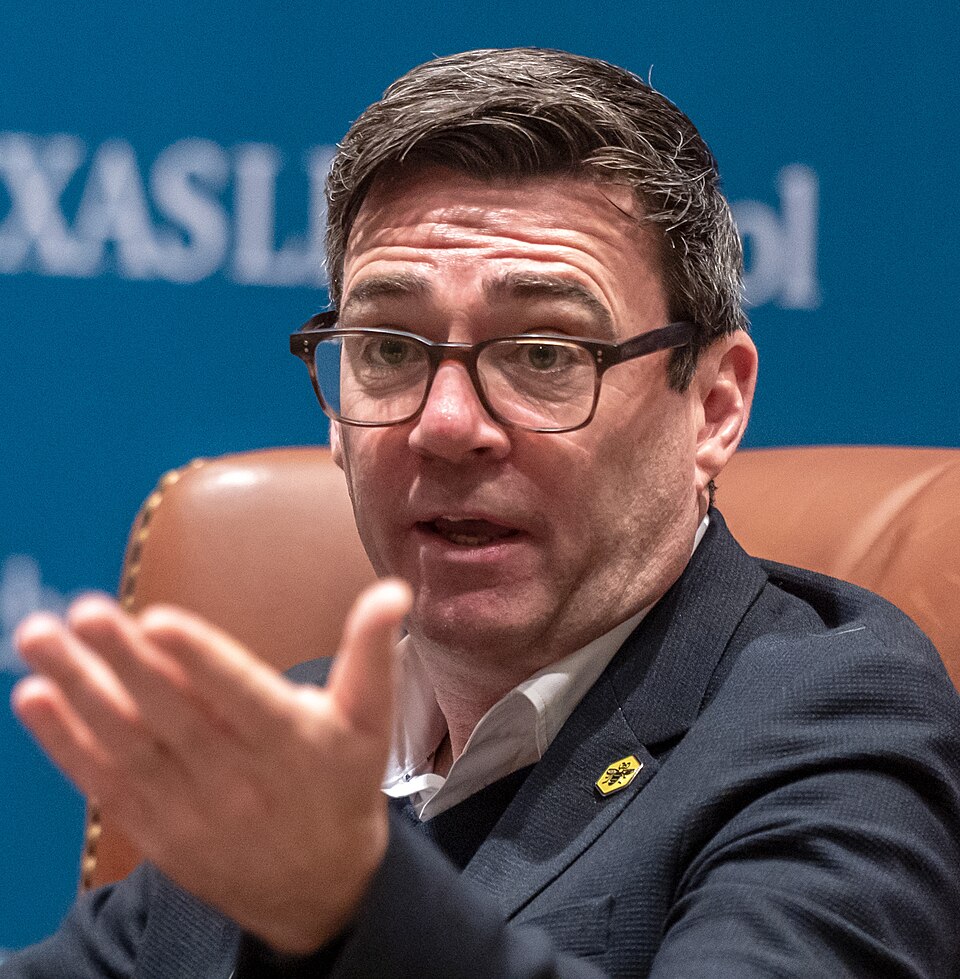
British prime minister Andy Burnham will arrive at the Commonwealth summit in Antigua next week offering talks about an apology for slavery while still refusing to pay reparations. Caribbean campaigners intend to confront him and King Charles with the demand they’ve spent more than a decade pressing on the British state: accept responsibility and repair the damage.
“The royal family enslaved us! Apologise now! Reparatory justice now!”
That message will greet the visiting dignitaries on billboards, placards and T-shirts in St John’s. Campaigners are organising demonstrations, a beach vigil for the Africans trafficked to Antigua and Barbuda, and the launch of an international reparations caravan. The summit has no dedicated official reparations event. Protesters intend to confront Britain’s leaders with the issue throughout their visit.
Burnham has moved further towards discussing an apology than previous prime ministers. Writing in the Guardian, he said: “We are offering a structured dialogue with those affected by the transatlantic slave trade. Listening to calls for a formal apology on behalf of the British state will form an important part of this process and I am open to them.”
On payment, he maintained the refusal: “I do not think that British people today can be held liable for historical wrongs”.
Burnham invokes the whole British population to shield the state and the classes that profited. Campaigners demand reparations from the state that upheld slavery and colonial rule; he answers as though they’re accusing every person living in Britain of having personally enslaved someone. He asks working people to identify their own interests with those of the ruling class.
Slave traders, plantation owners and merchants accumulated fortunes by selling Africans and seizing the products of their forced labour. British rulers defended them through colonial government and violence. Marx identified slavery and colonial plunder among the foundations of capitalist accumulation. The wealth didn’t vanish when the slaveholders died, any more than the damage vanished when the enslaved died. Their descendants inherited profoundly unequal circumstances.
Burnham asks us to treat the crimes as finished history while Britain’s propertied classes retain the advantages built through them. Nobody has to inherit an ancestor’s personal guilt for the state to owe redress. The British state didn’t cease to exist when the men who administered its colonies died.
Buckingham Palace has offered its own route around the question. Responding to Dorbrene O’Marde, chair of the Antigua and Barbuda reparations support commission, the palace said Britain’s position on reparations was a matter for the government. The palace directs campaigners to ministers who have already refused payment.
O’Marde pointed to the gap between royal declarations about slavery’s suffering and any commitment to act. “They’re all schooled not to make an apology,” he said.
The Caribbean Community’s reparations commission places a full and formal apology first in its ten-point plan. Its vice-chair, Verene Shepherd, explains that an apology would acknowledge responsibility, commit to non-repetition and pledge to repair the harms inflicted on the enslaved and their descendants. Campaigners want the British state to accept an obligation. Burnham has offered to listen to that demand while rejecting the material settlement it seeks.
The Commonwealth brings together 56 member countries, many of them formerly ruled by Britain. Its leaders meet as representatives of sovereign states, but Caribbean governments couldn’t even secure unanimous agreement for foreign ministers to advance discussions about the harms of slavery. Reparations supporters must organise events outside the main meeting while Caribbean leaders are expected to raise the issue behind closed doors.
Britain’s rulers welcome the diplomatic relationships they retain with former colonies. They resist the reckoning those countries demand. The imperial relationship survives in their insistence that they can enjoy the standing of a former world power while declaring its unpaid obligations beyond discussion.
Caricom reparations commission chair Hilary Beckles has called the Antigua gathering the first round of reparations negotiations. “This is the meeting of the Commonwealth in the Caribbean, and the number one item in the Caribbean as far as this gathering is concerned is reparatory justice,” he said.
Campaigners also arrive with wider international backing. In March, 123 countries supported a UN resolution describing the trafficking and racialised chattel enslavement of Africans as the gravest crime against humanity. Shepherd said an August recommendation from the UN committee on the elimination of racial discrimination set out countries’ legal obligation to consider reparations and address the enduring consequences of racial discrimination.
Jamaican officials lodged a petition in September seeking legal advice on their reparations claim. It is due before the privy council in March.
These developments strengthen the campaign, but British ministers still refuse payment. International recognition of the crime hasn’t yet compelled the British state to repair its consequences. That’s why Citizens for Reparatory Justice is taking the demand into the streets.
Its organiser James Knight says the protests are intended to stop the king and government evading the issue again. Campaigners have spent years asking for negotiations. They’re now organising to make another refusal politically harder.
Even an apology would leave the question of payment unresolved. In Guyana, where Charles visited on Thursday and Friday, dramatist Deandra Daniels put the demand plainly.
“Getting the king to say sorry isn’t enough because we have generational trauma,” she said. “We expect him as a king of a dynasty that was built on the back of my ancestors to do much more.”