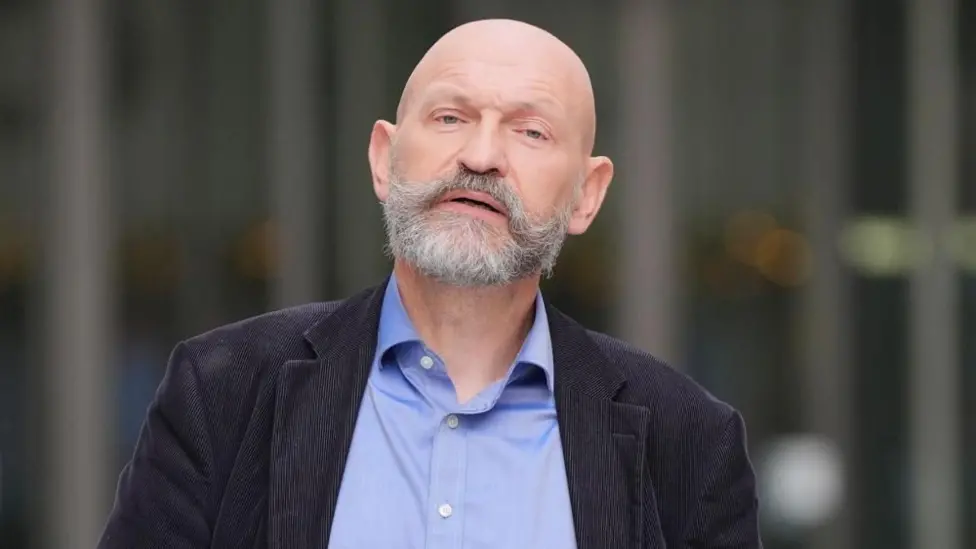
Chris O’Shea, boss of Centrica, which owns British Gas, went on the BBC’s Sunday with Laura Kuenssberg programme and said he’s “hugely concerned” about the expected jump in energy bills in January. He said the number of people unable or unwilling to pay would rise when prices go up in the new year. The new energy price cap — Ofgem’s limit on what energy firms can charge per unit of gas and electricity — will be announced on Wednesday. Cornwall Insight, a consultancy, forecasts it will jump by £443 a year for a typical household, or 26 percent to £2,166 from 1 January. The cap affects about 20 million households in England, Scotland and Wales; actual bills vary with usage.
Here’s what “concerned” means. O’Shea isn’t running a charity. Centrica is a big energy firm. It’s one of the handful of monopoly companies that dominate a market and set terms for everyone else. Its profits come from selling energy as a commodity, not from keeping people warm. When the boss says he’s worried about nonpayment, he’s worried about revenue, bad debt, and who covers the cost. He says the collective impact is that “every single electricity consumer, is paying about £1.50, £1.60 a week to cover the cost of people that are not paying their bills, and it’s just going to get worse when bills go up”. That’s the class trick in one sentence: he points at your neighbour who can’t pay, not at the company that prices the energy.
The figures back it up. Households owed energy suppliers £5bn in the April to June period, according to Ofgem. That’s not a natural disaster. Workers’ wages haven’t kept up with bills.
Ministers hand some households £100, announced in the Budget, and temporarily cut 5 percent VAT from electricity bills until the end of June next year, about £45 a year for a typical household. Citizens Advice calls the £100 a “drop in the ocean” and warns of “cold-related deaths” this winter. It says: “For someone in a lot of debt, who can’t afford their bills, it’s not going to touch the sides.”
The Fuel Poverty Action Group points the finger where it belongs: “Our inflated energy prices are driven by inflated energy firm profits,” it says. “Government and Ofgem must take stronger action against this blatant profiteering whilst we suffer in cold homes, or are forced into debt.”
There’s a windfall tax — a special levy on excess profits — introduced in 2022. Add other taxes and the overall tax rate on profits earned by oil and gas companies operating in the UK is 78 percent. But a tax on profits isn’t public ownership. It leaves capitalists in charge of the sector and eager to price gouge. Ofgem regulates the price cap; it doesn’t take energy out of the market and make it a right.
Wholesale energy prices paid by suppliers have risen this year as a result of the US-UlIsraeli war against Iran, which has restricted supplies of oil and gas and has pushed up household bills. Capital doesn’t absorb that shock. It passes it down to the working class.
O’Shea says the forecasts for a “substantial increase” are “materially correct”, and that the first quarter is when most energy is consumed. “That’s right at the point where people will be paying for Christmas and the like. So I am hugely concerned,” he told the BBC.
Read the class content. He’s concerned about the point where bills land and payment resistance grows. He calls nonpayment a “massive problem” and talks about an “increasing number of people that are choosing not to pay their bills”.
Ministers and Ofgem work hand in glove with monopoly capital. Ministers offer £100 and a VAT cut; Ofgem polishes the price cap; Centrica’s boss says he’s “hugely concerned”. Big capital controls the energy sector and we all pay for their profits.