
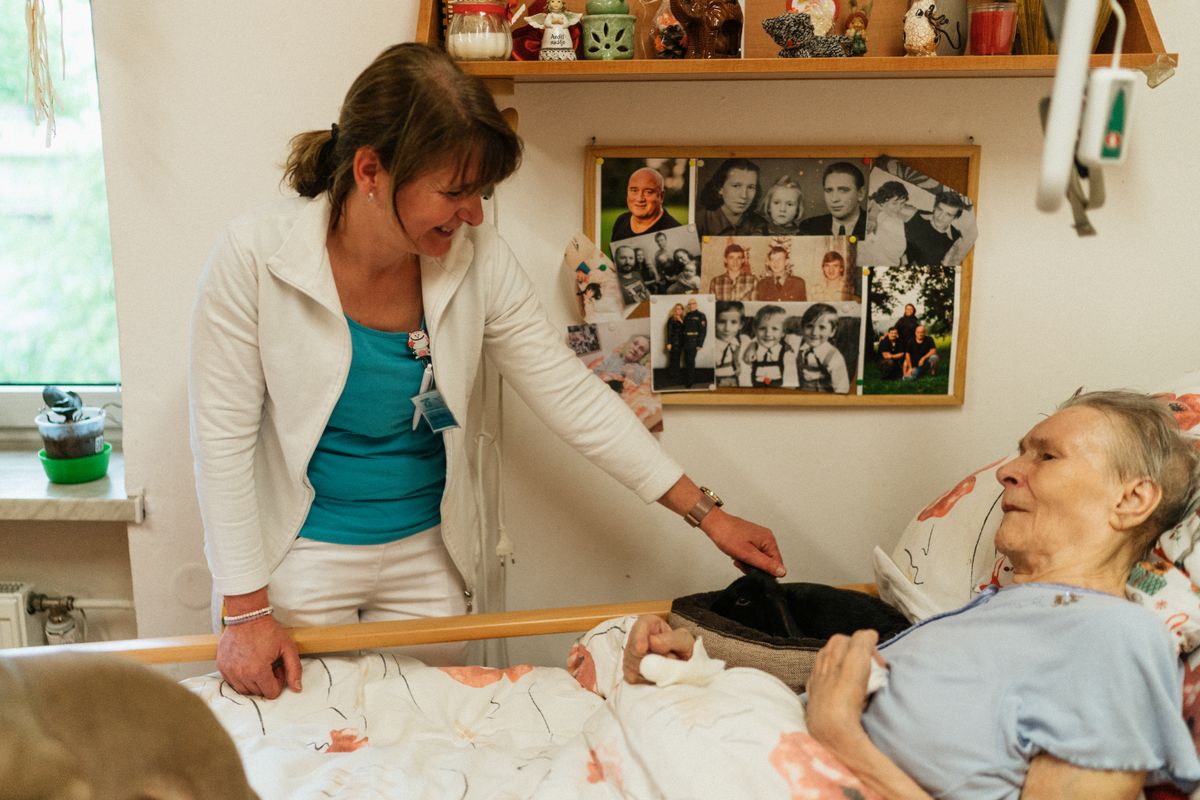
Bristol City Council has moved into the next stage of its review of five adult social care services, and GMB Union has demanded the council protect them. The five are Redfield Lodge, Bristol Community Meals, Reablement, Shared Lives and Bristol Community Links.
Redfield Lodge is Bristol’s last remaining council-run residential care home and provides specialist dementia care. Bristol Community Meals delivers vital welfare checks alongside nutritious meals. Reablement helps residents regain independence following illness or hospital discharge. Shared Lives and Bristol Community Links provide personalised care, social connections and essential community support.
GMB says these services should be protected, invested in and improved, rather than judged on cost alone.
That’s a class demand, whether GMB puts it that way or not.
Austerity, the policy of cutting public spending and making workers pay for the crisis, didn’t end. It got pushed down onto councils. Westminster cuts funding, councils look for savings, and the people who need care and the workers who deliver it pay the price. Bristol City Council isn’t a neutral referee in this. It’s a local arm of the capitalist state: the councils, courts, police and ministries that manage capitalist society. Lenin made the point a century ago: under capitalism the state is an organ of class rule, not a people’s committee. The council reviews services. Care workers deliver them. Residents and families rely on them. Private care companies wait to pick up contracts. That’s the line-up.
Adult social care is social reproduction—the work of keeping people alive, healthy and able to live and work. Capital depends on that work being done. It just doesn’t want to pay for it. Care workers, many of them women and many low-paid, do the labour. Council managers count their wages as a cost and residents’ needs as a burden. Private companies count the same needs as a market. Redfield Lodge being the last council-run home matters because decades of outsourcing have already narrowed public provision. Council-run isn’t socialism — the council is still a capitalist state body — but direct provision is something concrete worth defending. Private companies turn dementia care into a profit stream.
Britain is an imperialist country, imperialism being the stage of capitalism where big monopolies and finance capital dominate the world and rich countries extract wealth from poorer ones. The British ruling class still squeezes super-profits out of the Global South, but that doesn’t make them keen to help workers here. It means the ruling class has a bigger pot to defend and still wants to make us pay for whatever it can. Social care is one of the bills they’d rather pass to workers and families.
Rob Bailey, GMB Organiser, said:
“These aren’t just services on a balance sheet. They are lifelines for vulnerable people and their families, delivered by dedicated staff who know their communities and the people they care for.
“Any decisions about their future must consider the quality of care, the value of experienced staff and the wider impact on residents.
“Cutting costs today must not come at the expense of people’s wellbeing tomorrow. We recognise that services need to evolve, but that should mean investing in better care, not putting valued public services at risk.”
Bailey names the class issue. Services are lifelines. Staff know communities. Decisions affect residents. The council’s cost-only logic does the opposite: it treats wages, staff experience and residents’ wellbeing as expenses to cut. You don’t need a PhD to see it. The council can call it a review. Care workers, residents and families know it’s a choice about who pays for capitalism’s crisis. The answer won’t come from a balance sheet. It’ll come from organised workers and residents defending what they’ve built.