
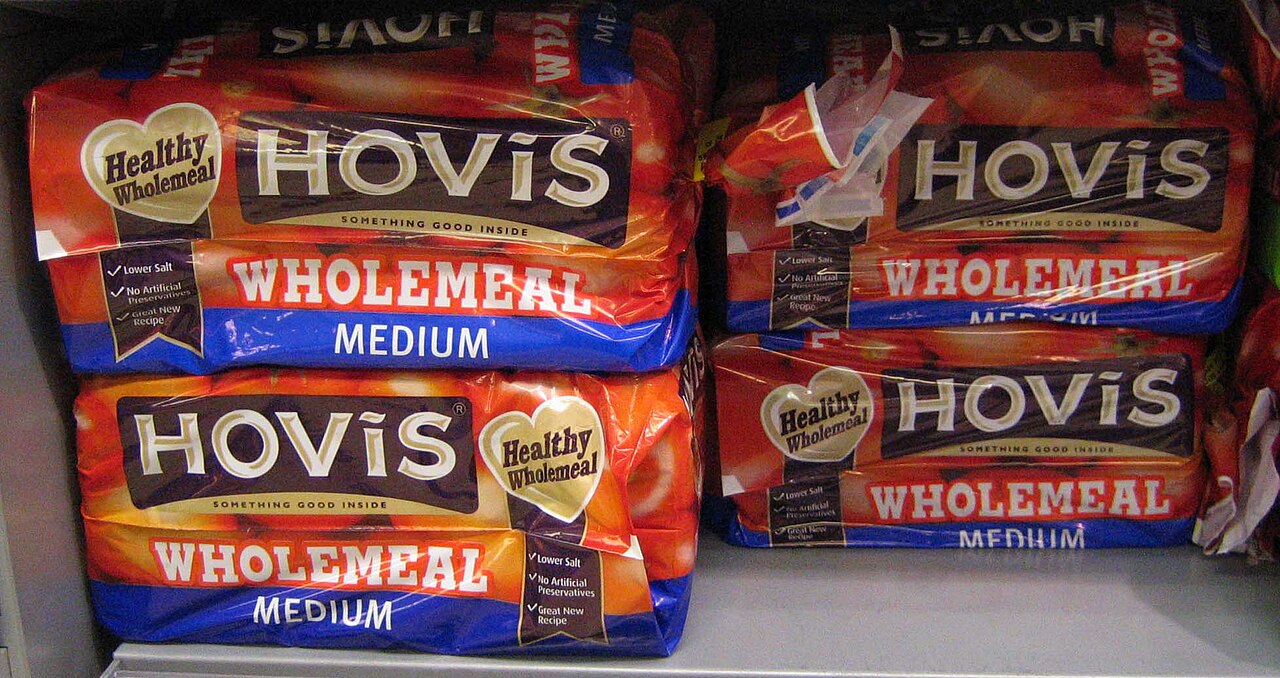
Bread deliveries across the West of England are set to be disrupted as Hovis lorry drivers prepare to strike indefinitely over pay.
Around 60 Unite members at the company’s Avonmouth depot near Bristol will walk out from 24 September after Hovis offered them a 3 percent pay rise. With inflation running at 3.4 percent, the offer amounts to a real-terms pay cut: wages would rise more slowly than the prices workers have to pay.
Hovis has described its offer as “fair and responsible”. But there’s nothing fair about asking workers to accept another reduction in the purchasing power of their wages. Corporate “responsibility” always seems to mean restraint for workers while profits and executive rewards remain protected.
Wages aren’t gifts handed down by generous employers. They’re the price capitalists pay for workers’ capacity to labour, and employers constantly seek to hold that price down. As food, housing, energy and other essentials become more expensive, maintaining the same standard of living requires higher money wages. An increase below inflation simply disguises a cut behind a larger number on the payslip.
Unite regional officer John Sweeney said shoppers would be concerned about shortages, but that the disruption was “the fault of Hovis who came up with the half-baked offer”.
Hovis claims it doesn’t anticipate any “significant or lasting shortages” and said: “Plans are in place to minimise any impact on our retail customers.”
Such contingency plans are meant to reassure retailers and blunt the workers’ industrial power. But the possibility of shortages exposes something employers usually prefer to obscure: bread doesn’t transport itself. Hovis may own the products, depots and distribution network, but none of them produces revenue without workers moving the goods.
The drivers’ position in distribution gives them leverage precisely because their labour connects production to the market. A finished loaf sitting in a depot can’t realise a penny of profit. By withdrawing their labour, the drivers interrupt the circulation of capital and demonstrate how dependent the company remains on the workers it’s trying to underpay.
The dispute has also exposed unequal treatment between Hovis depots. According to Unite, workers in Belfast were offered benefits denied to those in Avonmouth, including commission of 2p for every product sold. Belfast staff were also offered an additional 50 percent of their contracted basic hourly rate for working more than five bank holidays.
Hovis began negotiations with some Avonmouth employees in April and said it was “disappointed” by the decision to strike. Yet workers don’t take indefinite action because they enjoy losing wages. The strike follows months in which the company had every opportunity to offer terms that didn’t leave its drivers poorer.
Hovis is also engaged in what it calls “important work” to merge with Allied Bakeries. The proposed merger reflects the wider tendency towards the concentration and centralisation of capital, through which increasingly large firms come to dominate production and distribution. Workers are routinely told that mergers, expansion and corporate restructuring are business necessities, while their own living standards are treated as an optional expense.
Unite general secretary Sharon Graham said Hovis could afford to give the Avonmouth workers the same benefits offered in Belfast because it was owned by an “incredibly profitable company”.
“Instead of favouring one group, it needs to stop prioritising greed and extend benefits to other workers,” she said.
The different offers also serve capital by dividing workers between workplaces and turning equal treatment into something each depot must fight to obtain separately. What appears as inconsistent management is perfectly consistent with the logic of the wage system: concede only where workers possess enough organisation and leverage to force a concession.
Sweeney said Hovis could still prevent the strike by putting forward “a meaningful offer”, while the company claimed it remained “focused on reaching an agreement that works for everyone”.
But there’s no agreement that simply “works for everyone” when one side profits by holding down the wages of the other. Hovis wants uninterrupted deliveries at the lowest labour cost it can secure. The drivers want wages that don’t lose value as prices rise. Behind the language of fairness and shared interests lies an ordinary class struggle over who gets the value produced by workers — and from 24 September, the Avonmouth drivers intend to fight it on the ground where their power is strongest.
Image provided by Richard George under the Creative Commons Attribution 2.5 Generic license