
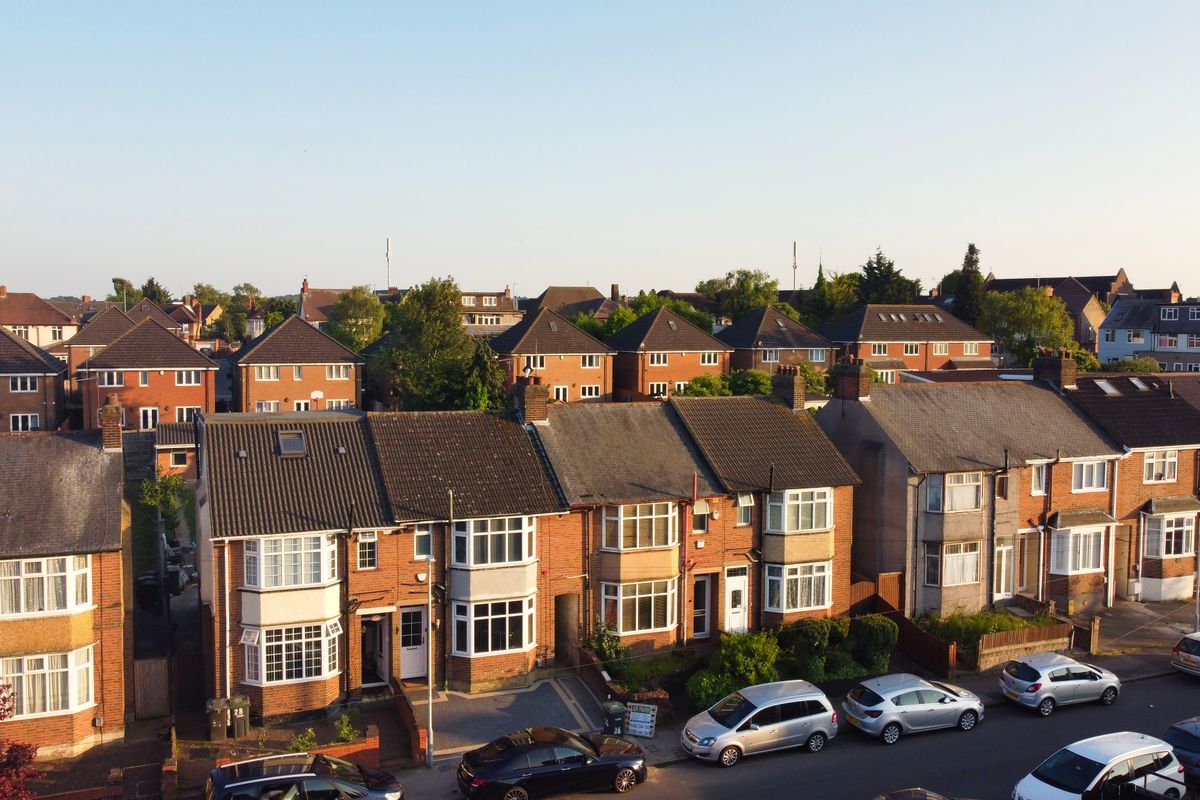
Housing associations say they could build another 41,000 homes outside London over ten years, including 25,000 for social rent, if the government provided an additional £5.3 billion from its housing programme. Work on 15,000 of the homes could begin within three years. Among the organisations which failed to obtain the funding they needed are associations with sites ready to go.
The ministry replies: “We’ve already announced nearly £10bn of allocations from the Social and Affordable Homes Programme so we can start building more than 70,000 council, social and affordable homes across England.”
“Already announced”! The proposal concerns homes for which funding hasn’t been allocated. The ministry answers with a statement about homes for which funding has been allocated. It then assures us that its “record investment” will help families in temporary accommodation and on waiting lists. The families left waiting can thus be referred to the same announcement as the families who may obtain a home. How economical!
Nobody disputes that the first £10 billion was allocated in August, or that ministers expect it to help build 70,000 homes. But the housing associations submitted bids for more. Here is a demand for an additional allocation, supported by construction plans and an estimate of what the allocation would provide. Repeating the size of the first allocation does nothing whatever to answer it. The government has been asked to fund more homes; it congratulates itself on the homes it has funded.
The £39 billion programme was announced by Rachel Reeves last year, after she changed the borrowing rules to allow more borrowing for capital projects. It is a ten-year programme. Ministers now propose an immediate £6 billion allocation to London, while “significant sums” from another £13 billion are to be distributed in the second half of the scheme, after the next election.
Observe how the whole ten-year sum enters the government’s praise of itself, while the demand to bring more of it forward encounters the government’s timetable. When credit is being claimed, we hear £39 billion. When additional homes could be started, we hear of the second half of the scheme. The same government which promises to relieve families trapped in temporary accommodation has decided that a substantial part of its promised provision can wait until another parliament.
Its own housing secretary, Angela Rayner, admits that the target of 1.5 million homes during this parliament will be difficult to achieve. Very well. Here are proposals which would add to construction. The 41,000 additional homes are proposed over ten years; work on 15,000 could begin within three. We aren’t obliged to muddle the two periods in order to ask why the government, having proclaimed the difficulty of building, doesn’t fund more of the homes which the associations say they are ready to build.
Abena Oppong-Asare, the Labour chair of the Commons housing committee, has urged John Healey to allocate a significant proportion of the programme during this parliament. “Families stuck on social housing waiting lists need to see action now.”
Quite right. But let us take that “now” seriously. It means bringing the allocation forward. It means requiring the chancellor to answer the proposals for additional construction. It means refusing to accept another recital of what has “already” been announced as an answer to what remains unfunded. The ministry’s statement would have us admire its programme; the waiting list gives us every reason to press demands upon it.
And what kind of homes are to be provided? Before becoming prime minister, Andy Burnham said the whole programme should be devoted to social rent. Under Burnham’s government, the first £10 billion went to councils and housing associations outside London for a mixture of subsidised homes. Social rent, affordable rent, shared ownership: all can be assembled beneath the accommodating word “affordable”.
Burnham knew the difference when he proposed devoting the fund entirely to social rent. His government knows the difference when it allocates the fund otherwise. Workers should remember the difference when ministers invite them to judge the programme by its combined total. A family waiting for a social-rent home doesn’t acquire one because a shared-ownership home has been entered in the government’s figures. Burnham’s earlier demand should be pressed upon Burnham’s present government. It supplied the test itself.
Some housing associations, meanwhile, have been criticised for selling homes to the private sector. Their bids for new construction don’t entitle them to escape scrutiny over those sales. We should demand the building of social homes and oppose their transfer into private ownership. Otherwise public provision can be enlarged through one set of transactions and diminished through another, with much publicity for the building and a waiting list still requiring homes.
The class interest at stake becomes plain enough when we consider what happens while people wait. A family obliged to rent privately must surrender part of its income to the landlord. Its need for shelter supplies the landlord with the power to demand payment. Social housing can release it from that dependence; postponing social housing leaves the dependence in place. Whatever ministers say about their concern for the tenant, the private landlord’s claim continues throughout the delay.
The bourgeois state protects the property on which this claim rests. Its Labour ministers administer a programme of relief, dispute the timing of allocations and congratulate themselves on the sum announced. Workers who need homes must organise to compel concessions from this government, while understanding the property system whose consequences make those concessions necessary. Burnham’s passage from advocating social rent throughout to administering a mixed programme is sufficient warning against trusting a declaration to do the work of a struggle.
Bring forward the funding. Build the social-rent homes. Insist that homes provided for social need remain in public or social ownership. Tenants, trade unions and families on the waiting lists should press these demands now, and judge the government by what their pressure obtains. Ministers have “already announced” their concern. They can be made to answer for the homes they have left unfunded.