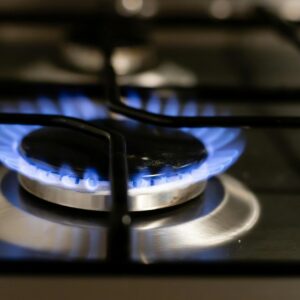
Europe is heading towards winter with its gas stores at their lowest level in 13 years, raising the prospect of another surge in household energy bills.
EU storage facilities were only 63 percent full in the final week of August. That’s well below the recent late-August average of 80 percent. At the present rate of filling, Europe will begin the winter heating season with stocks around a fifth below the five-year average and at their lowest level since 2013.
“Low storage levels are naturally increasing the risk of heightened winter price volatility,” said gas analyst Greg Molnar. He warned that “cold spells or slow wind patterns” could increase gas consumption and drive prices even higher.
The shortage of stored gas isn’t simply the product of bad weather. It’s the latest consequence of an energy system shaped by imperialist war, sanctions and the pursuit of private profit.
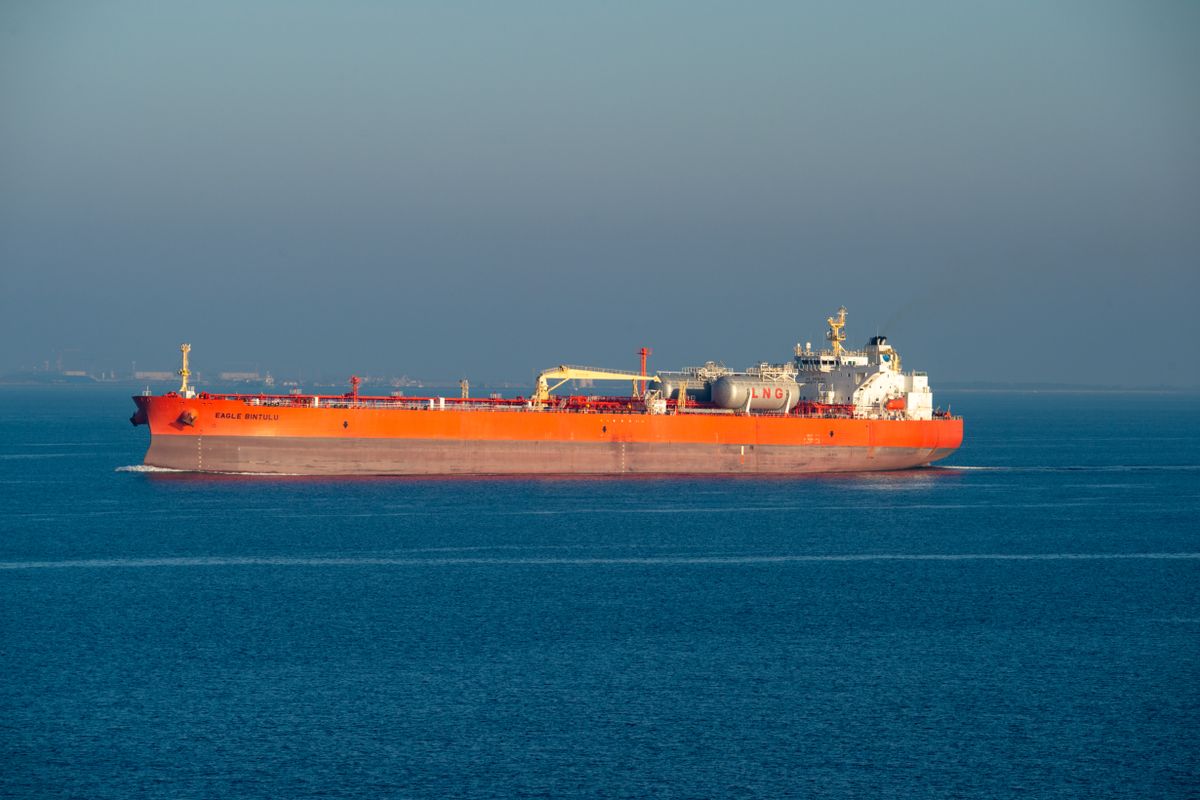
European governments deliberately abandoned much of the continent’s relatively cheap Russian pipeline supply as part of Washington’s economic war against Moscow. Russian gas was replaced by a far greater reliance on liquefied natural gas transported by tanker, particularly from the US and the Middle East. This supply is more expensive and must be fought over on the world market.
US energy capital gained both commercially and strategically from the change. American gas producers acquired a profitable European market while Washington tightened its control over the energy policy of its supposed allies. European workers, meanwhile, were handed the bill through higher heating costs, food prices and wider inflation.
Now the US-Israel war on Iran has severely disrupted oil and gas exports from the Gulf region. Hopes that the strait of Hormuz would soon reopen helped keep European gas prices relatively stable during the summer, even as storage levels remained dangerously low. According to Bjarne Schieldrop, chief commodities analyst at the Nordic banking group SEB, “no one expects it to happen any time soon”.
“As a result, the European natural gas market has run into a bit of a winter panic over the past week,” he added.
The same ruling classes that tied Europe’s energy system to Washington’s confrontation with Russia are therefore being caught by another US-led war. Yet they won’t personally bear the consequences of either policy. Energy companies can protect their margins, traders can profit from volatility and governments can use public money to support strategically important businesses. Working-class households are expected to absorb the higher bills.
A cold end to last winter also left stores depleted, while Europe’s summer heatwaves increased the use of gas-fired electricity generation. Storage owners would normally refill during the warmer months, when demand and prices are lower. But injections have remained sluggish, leaving the EU struggling to reach even its watered-down target of having stores 80 percent full by the beginning of winter.
Benchmark European gas prices have already climbed above €68 per megawatt-hour, their highest level in three years and more than twice their level at the start of 2026. Traders expect prices to rise further as European buyers compete with Asian importers for limited LNG cargoes.
Goldman Sachs analysts estimate that, without the return of gas exports from the Middle East, the European benchmark price may need to rise above €100 per megawatt-hour to attract enough LNG for winter demand. In plain terms, Europe will have to offer gas suppliers more money than competing buyers.
This is how the capitalist market distributes an essential resource. Gas doesn’t go first to wherever the social need is greatest. It goes to whoever can pay the highest price. Wealthy imperialist states can use their greater purchasing power to divert cargoes away from poorer countries, exporting the effects of the crisis while still imposing higher prices on their own workers.
Britain is particularly exposed. It remains one of Europe’s largest gas consumers but has very little domestic storage capacity. The country depends heavily on pipeline imports from continental Europe and LNG tankers arriving from the US and Middle East.
Chris O’Shea, chief executive of British Gas owner Centrica, warned that Britain has “almost no gas in storage” for the coming winter. This vulnerability wasn’t created overnight. Decades of privatisation and market rule have left investment decisions in the hands of companies interested in profitability rather than maintaining spare capacity for public security. Storage that isn’t immediately profitable appears wasteful to private capital, right up until a crisis makes its absence ruinously expensive.
Europe isn’t currently expected to suffer physical gas shortages this winter. That qualification offers little comfort to workers who can’t afford what remains available. Capitalism can produce fuel poverty without running out of fuel: the market simply raises the price until poorer households reduce their heating, cut spending elsewhere or fall into debt.
The threatened winter shock is therefore no natural accident. Imperialist rivalry has torn up established energy links, war has disrupted their replacements, and the capitalist market is preparing to ration what remains according to wealth. Traders call it volatility. Energy monopolies see higher revenues. For millions of workers, it means another winter of paying for the foreign policy of their ruling class.