
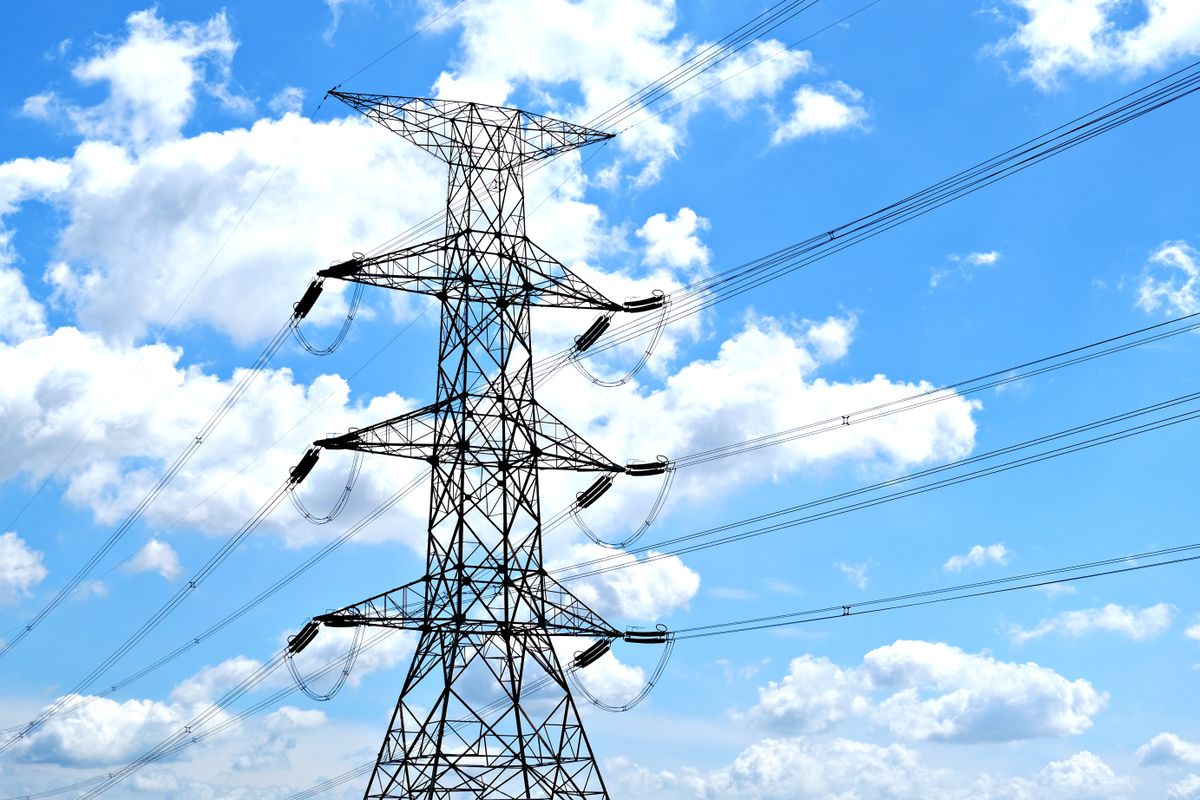
The US power grid is buckling, and the working class will pay for it. Between electric vehicles, heavy industry, and data centers, demand for electricity is surging, but the nation’s aging transmission system can’t keep up. Over the last five years, the US has built only about 500 miles of high-voltage transmission lines per year. Studies say we need 5,000 miles annually to triple the interregional grid by 2050.
Energy policy experts from Carnegie Mellon and UC San Diego warn in the journal Science that the US faces one of the most severe power transmission bottlenecks in the world. But they point to the real culprit: a fragmented political and regulatory system that grants “powerful veto rights to stakeholders at local, state, and regional levels.” In plain terms, utility bosses and their political allies block projects that threaten their local market power. Incumbent utilities have “economic incentives to limit regional connections that could undercut local market power,” meaning they sabotage regional cooperation to protect their profits.
This is monopoly capital in action. Private utilities carve out local fiefdoms, and state regulators and local officials do their bidding. When every utility boss and their pet politician has a veto, nothing gets built unless it serves their bottom line. The authors put it bluntly: “The fundamental challenge isn’t technical, it’s jurisdictional. Authority is divided among federal, state, and private entities, each with distinct priorities. When every stakeholder possesses the power to say no, even high-value projects that benefit the entire nation struggle to move forward.” Those “stakeholders” aren’t working people, they’re capitalists and their representatives, each defending their slice of the market.
The experts propose a three-point plan: let the Federal Energy Regulatory Commission (FERC) and Department of Energy (DOE) override state siting impasses, learn from international peers who’ve deployed long-distance HVDC lines, and create a Presidential-Congressional Transmission Commission to hammer out tradeoffs. It’s a reformist wish list. It assumes the same capitalist state that protects utility profits will suddenly act in the public interest. FERC and DOE are staffed by the same class that runs the utilities. Congress is bought and paid for. And a commission of “all key players” means utility bosses and their lobbyists sitting at the table, while workers get nothing.
The US bourgeoisie is divided into competing factions: local utilities, tech giants building data centers, industrial capital. They can’t plan infrastructure together because planning would mean some capitalists sacrificing profits for others. That’s the anarchy of capitalist production on a continental scale. While US monopoly capital is facing decline, it still tries to defend its global position, but it can’t even build the power lines at home.
Meanwhile, working people face the consequences: higher electricity bills, blackouts, and the risk of catastrophic grid failure. The authors warn that “muddling through with the current patchwork system will fail to solve the crisis, risking long-term damage to the nation’s economy and electric reliability.” But their solution, more authority for FERC, a bipartisan commission, won’t fix anything. It just shuffles power between capitalist factions.
Utility bosses and their political allies can’t solve this crisis because they are the crisis. They protect local market power while the grid rots. Workers who keep the lights on have no reason to trust them. The fight over the grid is a fight over who runs society, and the working class has every reason to take it out of the capitalists’ hands.