
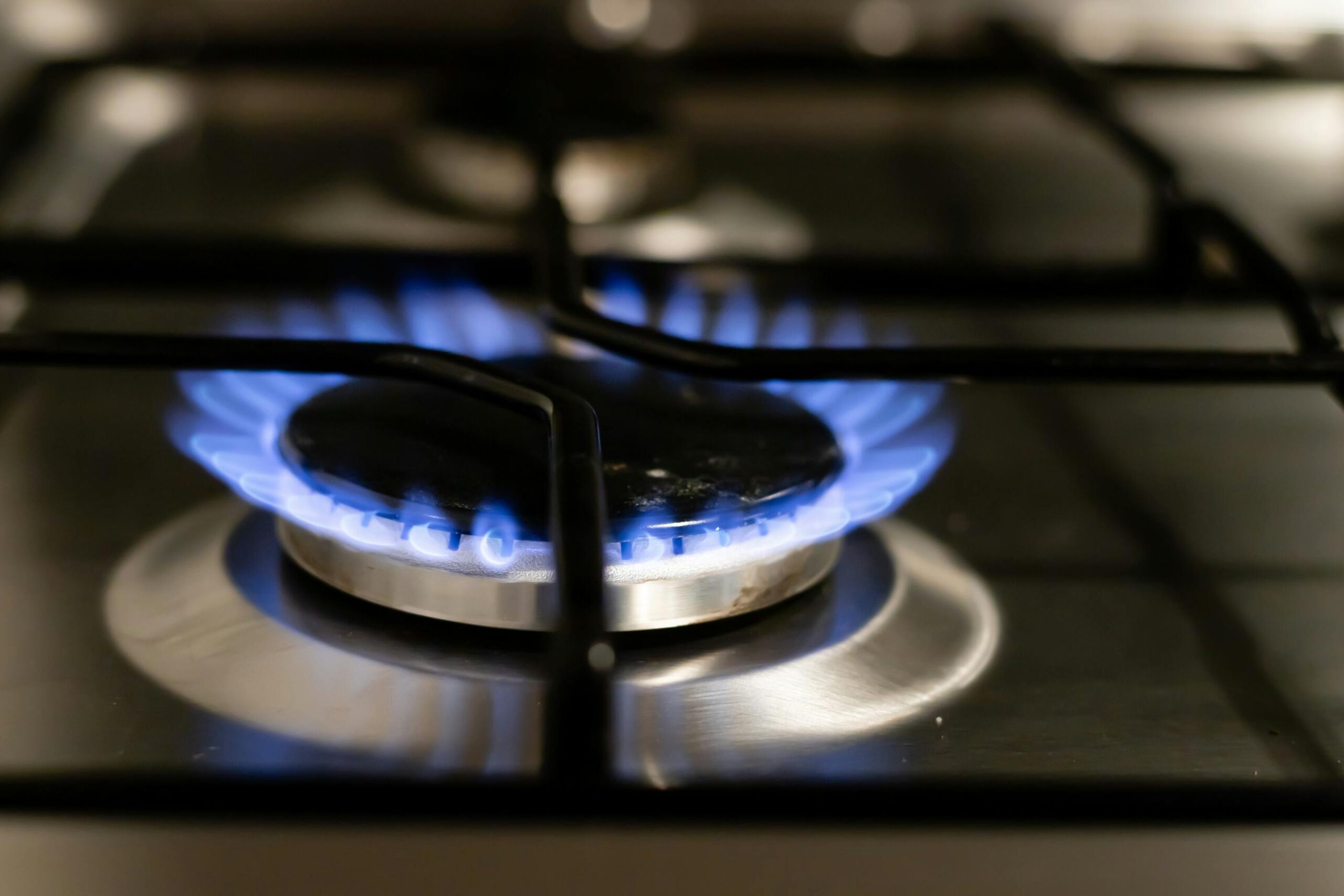
Millions of households face another sharp rise in energy costs this autumn, with prices set to increase by nearly 4 percent in October. Cornwall Insight predicts a further 9 percent rise in January, just as winter demand reaches its peak.
EDF expects bills to remain “stubbornly high” until at least the end of the decade. The energy industry increasingly presents permanent hardship as the new normal: workers will pay more, consume less and carry growing debts while the market continues as before.
The typical dual-fuel bill is already 70 percent higher than it was at the beginning of 2021. That leaves the average household paying around £600 more each year than before the escalation of the war in Ukraine.
These prices aren’t simply the result of distant “volatility”. Britain’s rulers helped turn the war into an economic offensive against Russian energy, accelerating Europe’s break with cheaper Russian supplies and increasing its dependence on expensive, globally traded liquefied natural gas, including supplies from the US. British workers have been made to pay for that imperialist policy through their gas and electricity bills.
The war against Iran has now shaken the wholesale gas market again. Energy supplies and transport routes are repeatedly disrupted by wars and sanctions, while private traders turn every threat of shortage into another price rise. The capitalist energy market carries each international crisis directly into workers’ homes.
Heat and power are basic necessities, but under capitalism they’re sold as commodities. The market doesn’t care whether a household needs warmth, hot water or electricity to run medical equipment. It only recognises whether the bill has been paid.
The result is record debt. Energy arrears more than three months overdue have reached their highest recorded level, according to Ofgem. Suppliers estimate that unpaid bills and charges have already reached £6bn and could rise to £7bn by the end of the year. The average household in debt without a repayment plan now owes more than the cost of a typical annual bill.
Capital’s answer is to load the cost of this debt onto other customers. Around £60 is already added to the average annual bill to cover unpaid accounts. Consultancy Baringa estimates that this could rise to £100 by the end of the year. Those who pay quarterly on demand rather than through monthly direct debit are typically charged an additional £150 because suppliers consider them more likely to miss payments.
One struggling worker is therefore made to pay for another worker’s inability to afford heat. The industry protects its claims by spreading the losses across the rest of the working class. The structure of private ownership remains untouched.
Ofgem has proposed a debt-relief scheme, while charities and energy companies are calling for a discounted tariff based on income, benefits and health data. Energy UK estimates that such a scheme would cost £1.9bn. That’s a fraction of the £40bn committed to holding down bills across the market after the Ukraine war escalated in 2022.
Yet even this relatively small sum is presented as a difficult political problem. The public is told that it must be taken from other billpayers, raised through taxes, borrowed or found by cutting something else. This turns a class question into an accounting exercise. A charge imposed on workers’ bills isn’t the same as a tax on profits, wealth or property, but bourgeois politics deliberately blurs that distinction.
The capitalist state isn’t a neutral bookkeeper trying to divide limited resources fairly. Its budgets express class priorities. Money can be found for war, corporate subsidies and the protection of private markets. Help with heating becomes subject to endless warnings about “difficult choices” and “limited room for manoeuvre”.
Households have already drastically reduced their energy use. Ofgem lowered its estimate of typical annual consumption in July to 9,500 kWh of gas and 2,500 kWh of electricity. Thermostats have been turned down, meals batch-cooked and washing timed around cheaper hours. Around 35 percent of billpayers have moved onto fixed tariffs in an attempt to protect themselves from further rises.
This isn’t evidence of greater “efficiency”. It records years of enforced deprivation. Older people, disabled people and those with serious health conditions often can’t safely reduce their consumption. For them, heating and cooling aren’t optional comforts.
The spread of community warm hubs shows how far this poverty has been normalised. During the summer, some became cold hubs where people could access air conditioning. Britain has reached the point where workers seek communal shelter because they can’t afford to keep their own homes at a safe temperature, whether winter brings cold or summer brings extreme heat.
The heatwave has also reduced European energy reserves, which must now be replenished before winter. At the same time, the enormous cost of upgrading Britain’s electricity network is being prepared for collection through future bills. Infrastructure that society as a whole depends upon remains a source of private returns, while workers are expected to finance its renewal.
The government says it wants to reduce Britain’s reliance on gas and will celebrate the introduction of plug-in solar panels. But small consumer products can’t overcome the disorder of an energy system organised around markets, private ownership and profit. Individual households are once again offered personal adjustments in place of planned social provision.
VAT on electricity bills will be cut in October, but the benefit will be more than cancelled out by an 8 percent rise in gas prices. Rachel Reeves previously moved some policy costs from bills into general taxation. The new government says there is “more to do”, while refusing to challenge the class relations that decide who carries the burden.
Attention will now turn to new chancellor John Healey’s first Budget. But the central issue isn’t whether the Treasury possesses some politically neutral amount of “room”. It’s whose claims the government treats as untouchable. Workers have cut their consumption, accumulated billions in debt and opened communal shelters from the weather. Private ownership, imperialist policy and the right of capital to be paid remain beyond discussion.