
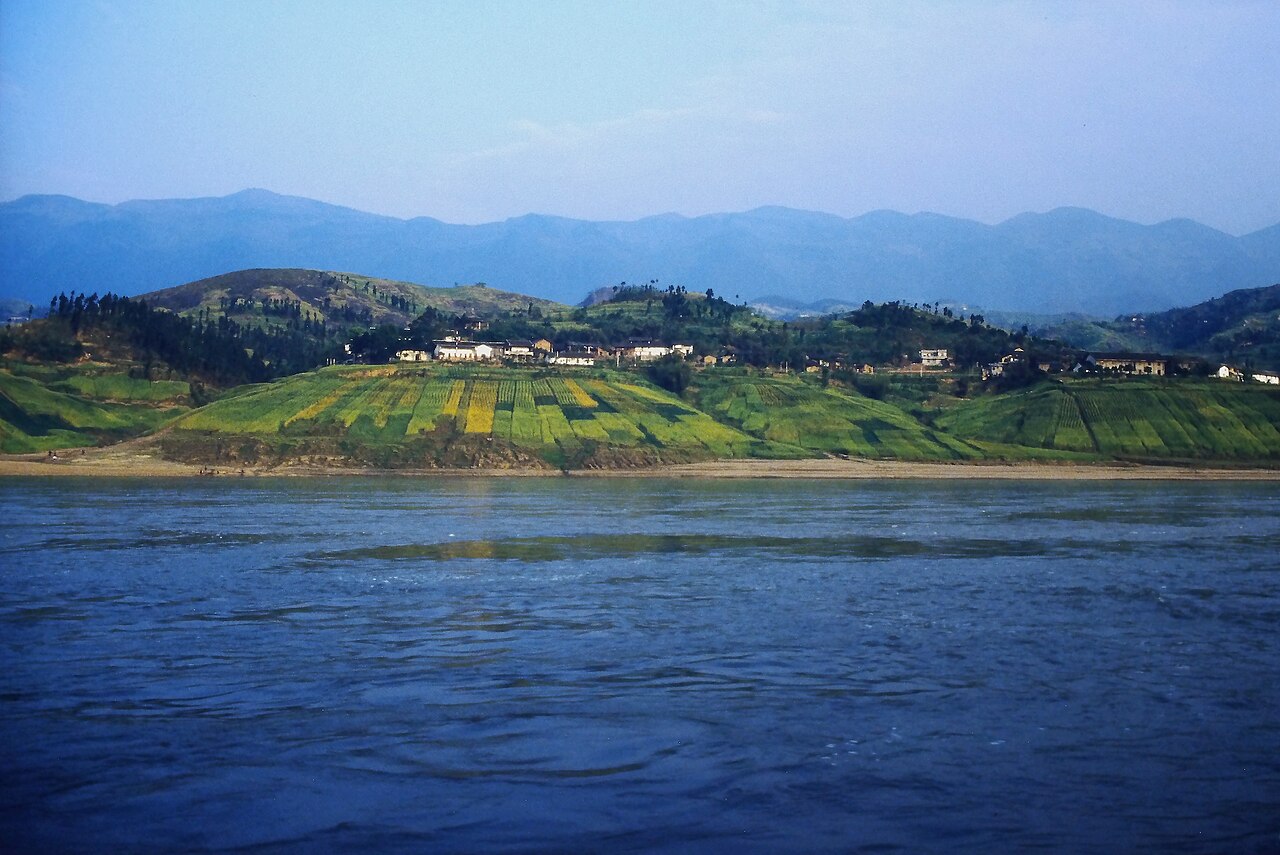
Five years into China’s ten-year fishing ban, fish in the Yangtze basin are larger and more plentiful, and researchers have recorded a greater variety of species. More than 231,000 people left the fishery when the government called in the nets. In a study published in The Innovation Water, Chinese researchers credit part of the river’s recovery to the jobs and income support the government organised for the people who came ashore.
In 2021, when the ban took full effect, the fish recorded at 108 national monitoring stations averaged 21.7 centimetres in length. By 2024 the average had risen to 24.3 centimetres. The four major Chinese carp species, all large fish, accounted for a growing share of the fish recorded. After years of overfishing had left the Yangtze with progressively smaller fish, that trend may be turning. The endangered Yangtze finless porpoise also showed signs of recovery.
Some stretches of water have recovered faster than others. Changes to the river’s flow, poor connections with its lakes and extreme weather still affect where fish can live and breed.
The authorities coordinated patrols across the main river and its estuary, lakes Poyang and Dongting, eight major tributaries and 332 protected areas. They used cameras, radar and drones to detect illegal fishing and recorded fewer cases in 2025 than in 2021. The researchers also point to the fishing industry’s shift towards fish farming and recreational fisheries as a factor in the recovery.
A fish dealer could turn a profit on a catch from a dwindling stock. The families who worked the boats had every reason to want fish left in the river to breed, but they also had to live on what they could sell that week. A family could tie up its own boat, lose its income and still have no say over how much the rest of the fleet took.
Marx called this a metabolic rift: capital treats nature as a free mine and a free sewer, then discovers the well is poisoned. Capitalist regulators usually answer by banning the catch and leaving the poorest to drown, boats repossessed, families pushed into wage labor, owners bailed out. Or else they let the free for all continue.
China’s socialist planners took 111,000 boats out of the fishery and met part of the cost out of public funds. Officials helped former fishers find jobs, offered pension insurance and provided social assistance. The researchers followed up with 3,881 former fishers and found that their livelihoods had stabilised after 2022. Just over half their households drew on two or more sources of income. With their nets ashore, those households were bringing in close to or more than the local rural average per person.
Image credit Jan Kranendonk under the Creative Commons Attribution-Share Alike 4.0 International license.